&geometry(180x112) "Great Western Animal Hospital")
Canine Infectious Hepatitis in Dogs: Symptoms, Prevention & Vaccination (Sydney Vet Guide)
 "Canine Infectious Hepatitis in Dogs: Symptoms, Prevention & Vaccination (Sydney Vet Guide)")
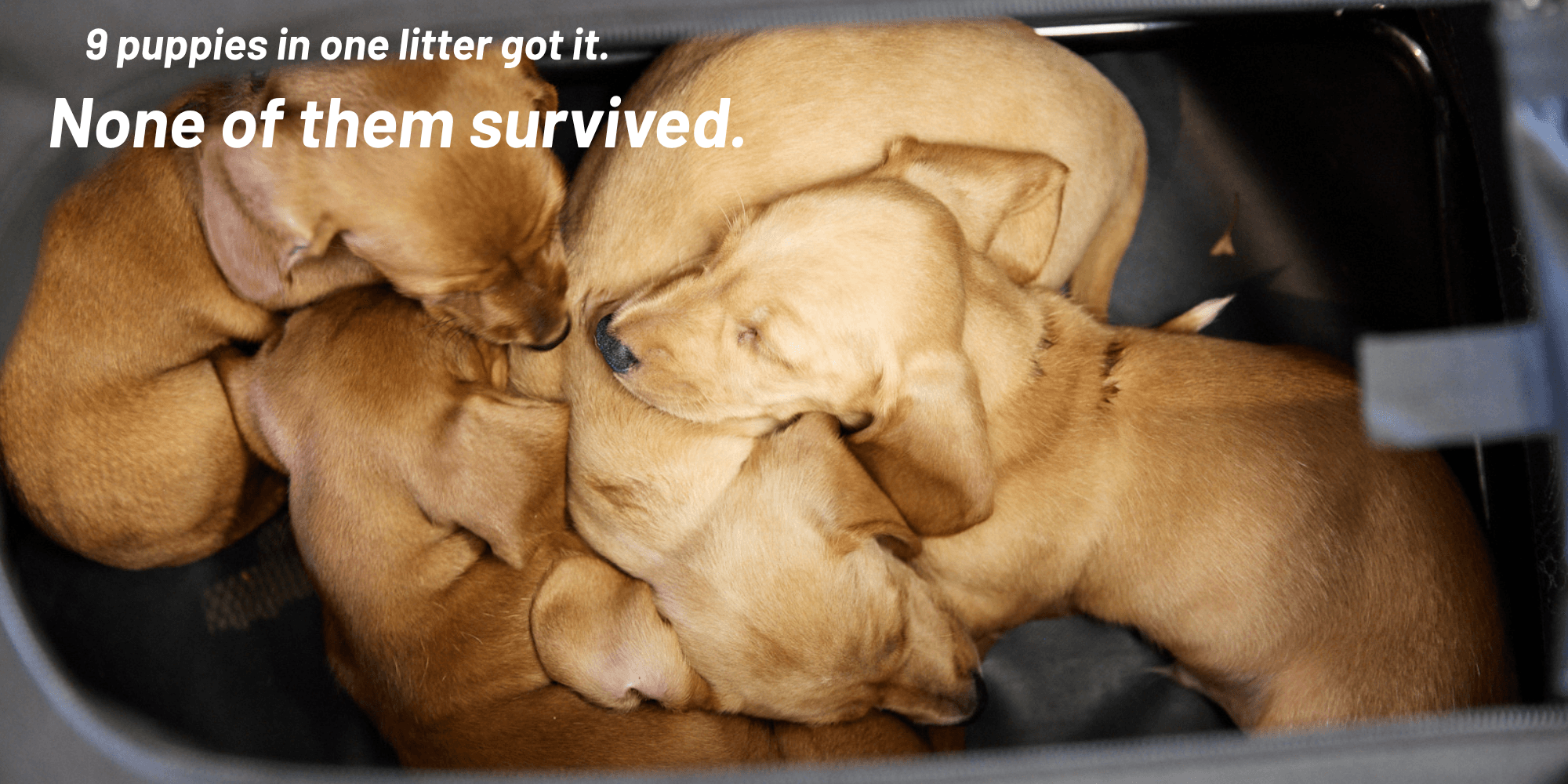
9 puppies in one litter got it. None of them survived.
Canine infectious hepatitis is one of those diseases most pet owners have never heard of — yet vets take it very seriously. It moves fast, it can be fatal, and it's entirely preventable with a vaccine your dog is likely already due for.
Here's what Sydney dog owners need to know.
What is canine infectious hepatitis?
Canine infectious hepatitis (CIH) is a serious viral disease caused by Canine Adenovirus Type 1 (CAV-1). Despite the name, it doesn't just affect the liver — it attacks blood vessels, the kidneys, and the eyes too. In severe cases it can affect the nervous system.
Thanks to widespread vaccination it's now uncommon in Australia, but cases still occur and unvaccinated dogs remain at genuine risk.
How does it spread?
CAV-1 spreads through contact with infected dogs or contaminated environments. The virus is shed in faeces, urine, and saliva — and here's the part that surprises most owners: a recovered dog can continue shedding the virus in their urine for up to 6-9 months. A dog that looks completely healthy can still be infectious.
In Western Sydney, foxes are also a known carrier of CAV-1 — so even dogs that rarely mix with other dogs can be exposed.
The virus is tough. It resists many common disinfectants and can survive in the environment for extended periods.
What are the symptoms?
Early signs:
- Fever
- Lethargy and loss of appetite
- Vomiting and abdominal pain
Advanced signs:
- Bloody diarrhoea
- Jaundice (yellowing of skin or eyes)
- Unusual bruising or bleeding
- Swelling of the head and neck
- Seizures or disorientation
One distinctive sign is "blue eye" — a bluish cloudiness over the cornea caused by the virus. In some cases, dogs deteriorate so quickly that sudden death is the only sign owners ever notice.
If your dog is showing any of these signs, please contact us immediately.
Can it be treated?
There is no antiviral medication for CIH. Treatment is supportive care — IV fluids, liver support, treatment for bleeding complications, and close monitoring. It's intensive, costly, and not always successful. Prevention is always the better option.
How do you prevent it? Vaccination
Vaccination is highly effective and your dog's best protection.
At Great Western Animal Hospital we recommend the C7 vaccine for every dog. Given our location in Western Sydney, it gives the most complete protection available. It covers hepatitis, parvovirus, distemper, kennel cough, and leptospirosis.
Puppy vaccination schedule:
- First vaccine: 6-8 weeks
- Second vaccine: 10-12 weeks
- Third vaccine: 16 weeks or older
- First booster: 12 months after final puppy vaccine
Adult dogs need regular boosters to stay protected. If you're not sure when your dog was last vaccinated, give us a call and we'll check.
How much does vaccination cost?
Costs vary depending on which vaccine your dog needs. Call our team and we'll walk you through what's involved.
Common myths
"I've never heard of it — it can't be that common."
It's uncommon precisely because vaccination works. But that protection disappears the moment dogs stop being vaccinated.
"My dog looks fine so they can't be spreading it."
Recovered dogs shed the virus for months. A healthy-looking dog can still infect others.
"It only affects the liver."
The name is misleading — CAV-1 affects multiple organ systems including the eyes, kidneys, and blood vessels.
Protect your dog — book at Great Western Animal Hospital
Canine infectious hepatitis is serious but entirely preventable. Whether your dog is due for their first puppy vaccines or an overdue adult booster, our team is here to help. We're open 7 days a week.
Not sure if your dog is up to date?
Give us a call or book online and we'll check their vaccination history and advise on what they need.
Check Out Our
Recent Articles
- Tinsel Went Blind. His Blood Pressure Was 280.
- Senior Pet Health Checks: What Tests Are Reccomended and Why?
- 5 Signs Your Pet's Upset Stomach Needs a Vet Check
- Feline Leukaemia Virus in Cats: Symptoms, Testing and Prevention (Sydney...
- Cat Flu in Cats: Symptoms, Treatment and Prevention (Sydney Vet Guide)