&geometry(180x112) "Great Western Animal Hospital")
Cat Flu in Cats: Symptoms, Treatment and Prevention (Sydney Vet Guide)
 "Cat Flu in Cats: Symptoms, Treatment and Prevention (Sydney Vet Guide)")
Cat flu is incredibly common. In fact there is a good chance your cat already carries the virus without you even knowing.
Cat flu is one of the most common illnesses we see in cats, particularly kittens. Most cats recover well, but some need treatment to get through it comfortably. Here is what every cat owner should know.
What is cat flu?
Cat flu is not a single disease but a group of upper respiratory infections that cause similar cold-like symptoms. The most common causes are two viruses called Feline Herpesvirus and Feline Calicivirus, which together are responsible for around 90 percent of cases. A bacterium called Chlamydophila felis can also cause similar symptoms, particularly runny and sore eyes.
None of these infections can spread to humans.
What are the first signs of cat flu?
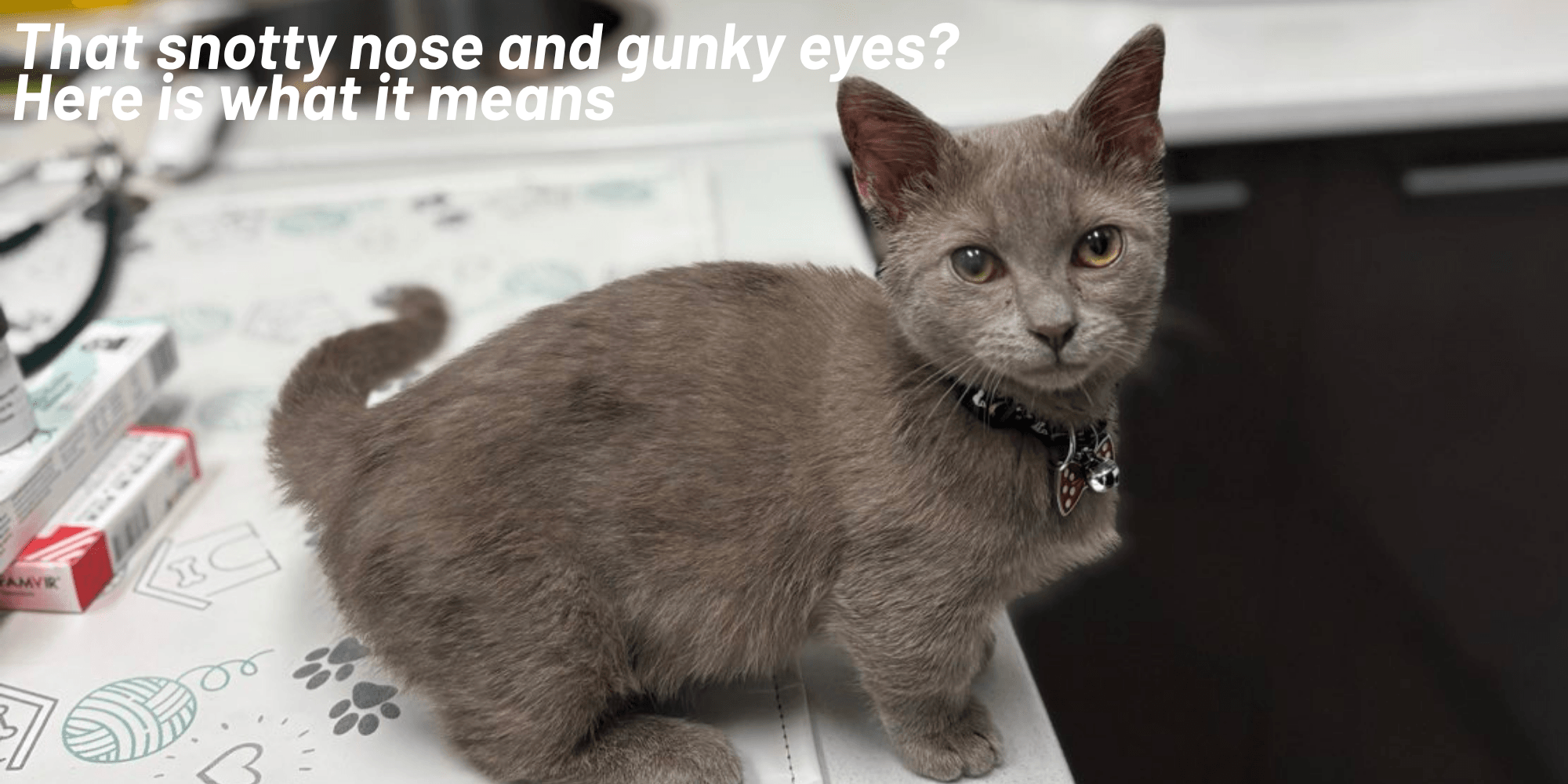
The first signs of cat flu are usually sneezing and a runny nose, often followed by watery or gunky eyes. Your cat may also seem quieter than usual, lose interest in food, or develop a hoarse voice. In some cases, particularly with Calicivirus, you may notice ulcers in the mouth or around the nose.
Kittens tend to be affected more severely than adult cats and can go downhill quickly, so it is always worth getting them checked early.
How do indoor cats get cat flu?
This is one of the most common questions we hear. Even cats that never go outside can get cat flu. The virus can be carried in on your hands, clothing, or shoes after contact with another cat. It can also flare up in cats that already carry the virus but have never shown symptoms, usually triggered by a stressful event like moving house, a new pet joining the household, or a visit to the vet.
Many cats carry Feline Herpesvirus for life without any obvious signs. Stress can reactivate it at any time.
How long does cat flu last?
In most healthy adult cats, cat flu lasts around 7 to 14 days. Kittens, senior cats, or cats with other health conditions may take longer to recover and are more likely to need veterinary support to get through it.
It is also worth knowing that Feline Herpesvirus does not fully clear from the body. Once a cat is infected it carries the virus for life, and symptoms can come back during periods of stress throughout their life, though they tend to become milder as the cat gets older.
Can cats recover from cat flu on their own?
Many adult cats with mild cat flu will recover on their own with rest and good care at home. Keeping them warm, encouraging them to eat, and wiping away any discharge from their eyes and nose can all help.
However, you should contact us if your cat:
- Stops eating or drinking
- Is breathing with their mouth open or seems to be struggling to breathe
- Has a high fever or seems extremely lethargic
- Has significant eye discharge or visible eye ulcers
- Is a kitten or has other underlying health conditions
Kittens in particular should always be seen by a vet if they show signs of cat flu, as they can deteriorate quickly.
How do you treat cat flu?
Treatment depends on how unwell your cat is. Mild cases in healthy adult cats may need no treatment at all. More affected cats may need:
- Antibiotics, particularly if Chlamydophila is involved or a secondary bacterial infection has developed
- Antiviral medication for more severe Herpesvirus cases
- Eye drops or ointment
- Fluids and assisted feeding if your cat has stopped eating
- Hospitalisation in severe cases
Please do not give your cat any human cold or flu medication. These can be toxic to cats. Always check with your vet before trying any home treatment.
How do you prevent cat flu? Vaccination
Vaccination does not completely prevent cat flu but it significantly reduces the severity of symptoms. A vaccinated cat that catches cat flu is much more likely to have a mild illness and recover quickly at home, rather than needing hospitalisation.
At Great Western Animal Hospital we recommend:
- F3 for all cats, which covers Feline Enteritis, Herpesvirus, and Calicivirus
- F5 for outdoor cats that are FIV positive, which adds Chlamydophila and Feline Leukaemia protection
- F6 for outdoor cats that are FIV negative, which covers everything in the F5 plus the FIV vaccine to protect them from contracting it
Not sure which vaccine your cat needs? Our team will assess your cat's lifestyle and give you a clear recommendation.
Kitten vaccination schedule:
- First vaccine: 6 to 8 weeks
- Second vaccine: 10 to 12 weeks
- Third vaccine: 16 weeks or older
- First booster: 12 months after the final kitten vaccine
How much does vaccination cost?
Give our team a call and we will walk you through what is involved for your cat.
Common questions
"My cat seems fine. Could they still be spreading cat flu?"
Yes. Cats carrying Feline Herpesvirus can shed the virus and be contagious for a couple of weeks after a stressful event, even if they seem well.
"My cat had cat flu as a kitten. Does that mean they are immune now?"
Not necessarily. Cats that have had Feline Herpesvirus carry it for life and can have flare-ups during stressful periods. Vaccination helps reduce the severity of these episodes.
"How do I know if my cat has cat flu?"
The most common signs are sneezing, a runny nose, and watery or gunky eyes. If your cat is also off their food, lethargic, or has a hoarse voice, those are additional signs. When in doubt, give us a call and we can help you figure out whether they need to be seen.
Book at Great Western Animal Hospital
If your cat is showing signs of cat flu or you would like to get their vaccinations up to date, our team is here to help. We are open 7 days a week.
Sources:
VIN Veterinary Partner, Upper Respiratory Infection in Cats, revised November 2025
| Tags:Proactive Pet CareHealth AdviceCatClient InformationVaccination |
Check Out Our
Recent Articles
- Tinsel Went Blind. His Blood Pressure Was 280.
- Senior Pet Health Checks: What Tests Are Reccomended and Why?
- 5 Signs Your Pet's Upset Stomach Needs a Vet Check
- Feline Leukaemia Virus in Cats: Symptoms, Testing and Prevention (Sydney...
- Cat Flu in Cats: Symptoms, Treatment and Prevention (Sydney Vet Guide)