Annual Pet Health Checks & Vaccinations

Keeping your pet up to date with vaccinations is one of the most important things you can do to protect their health. At Great Western Animal Hospital, every vaccination visit also includes a comprehensive health check, so we can help protect your pet against preventable disease while also picking up any other health concerns early.

Whether you have a new puppy or kitten, an adult dog or cat, or a rabbit needing routine protection, our team can help guide you on the right vaccination schedule for your pet.

Book your pet’s vaccination appointment today.

Why vaccinations matter

Vaccinations help protect pets against serious and sometimes life-threatening infectious diseases. While some of these illnesses are less common than they once were, we still see cases of preventable disease, including parvovirus, and outbreaks can and do occur.

Vaccinating your pet is a safe and effective way to reduce their risk of becoming seriously unwell. It also helps protect other animals in the community, particularly young, elderly, or vulnerable pets.

How vaccinations work

Vaccinations work by safely stimulating your pet’s immune system to recognise and respond to certain infectious diseases. This helps their body build protection so that if they are later exposed to the real disease, they are much better equipped to fight it off.

No vaccine can guarantee 100% protection in every individual, but vaccinations significantly reduce the risk of severe illness and are an important part of preventative health care.

What’s included in a vaccination visit

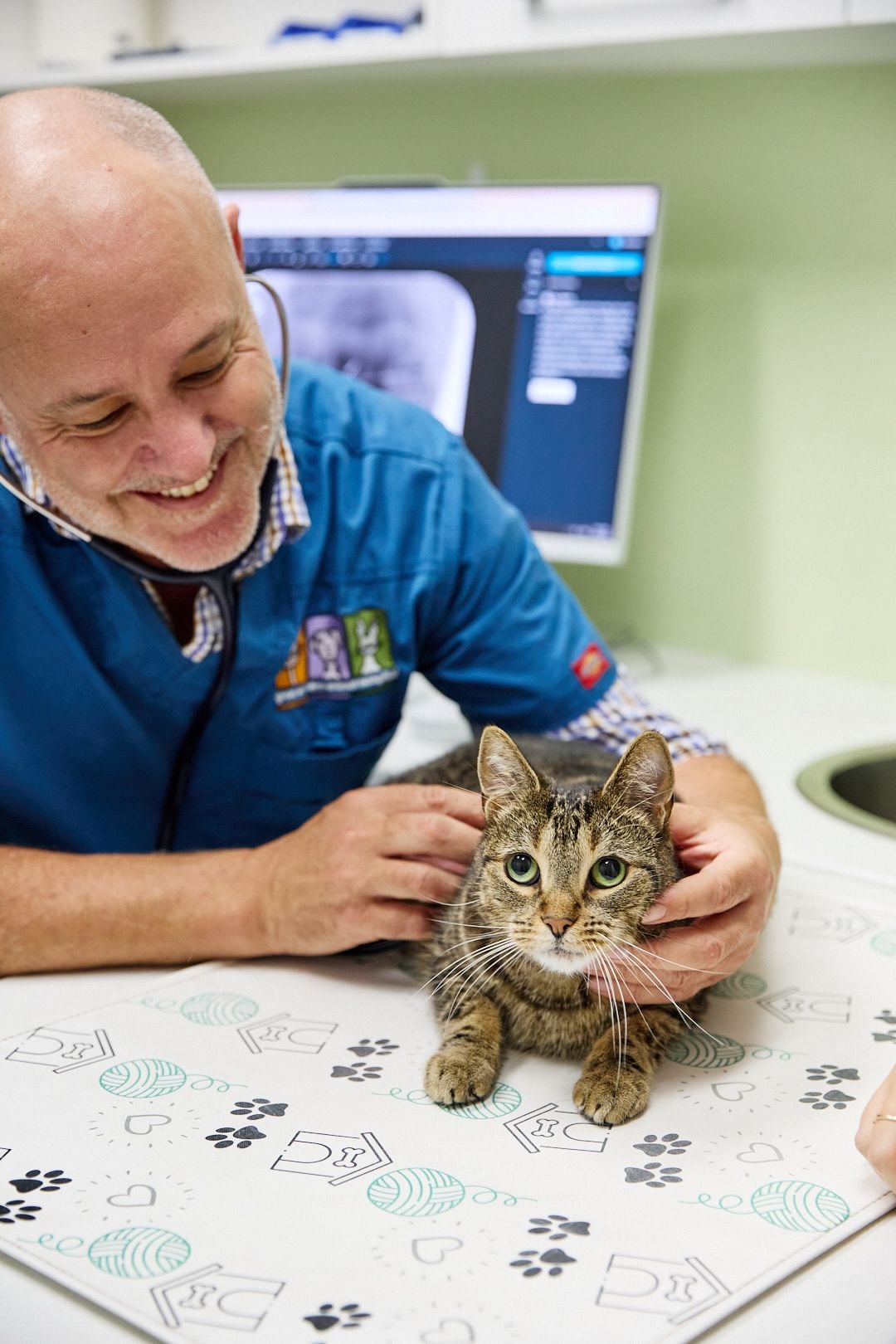
Your pet’s vaccination appointment is also an annual health check. This is an important opportunity for us to assess your pet’s overall health, not just administer a vaccine.

During the appointment, we may assess:

  • Weight and body condition
  • Teeth and oral health
  • Eyes, ears, and skin
  • Heart and lung function
  • Mobility and joint comfort
  • Lumps, bumps, or other developing concerns

We can also discuss parasite prevention, nutrition, behaviour, dental care, and any questions you may have about your pet’s health.
Dog vaccinations

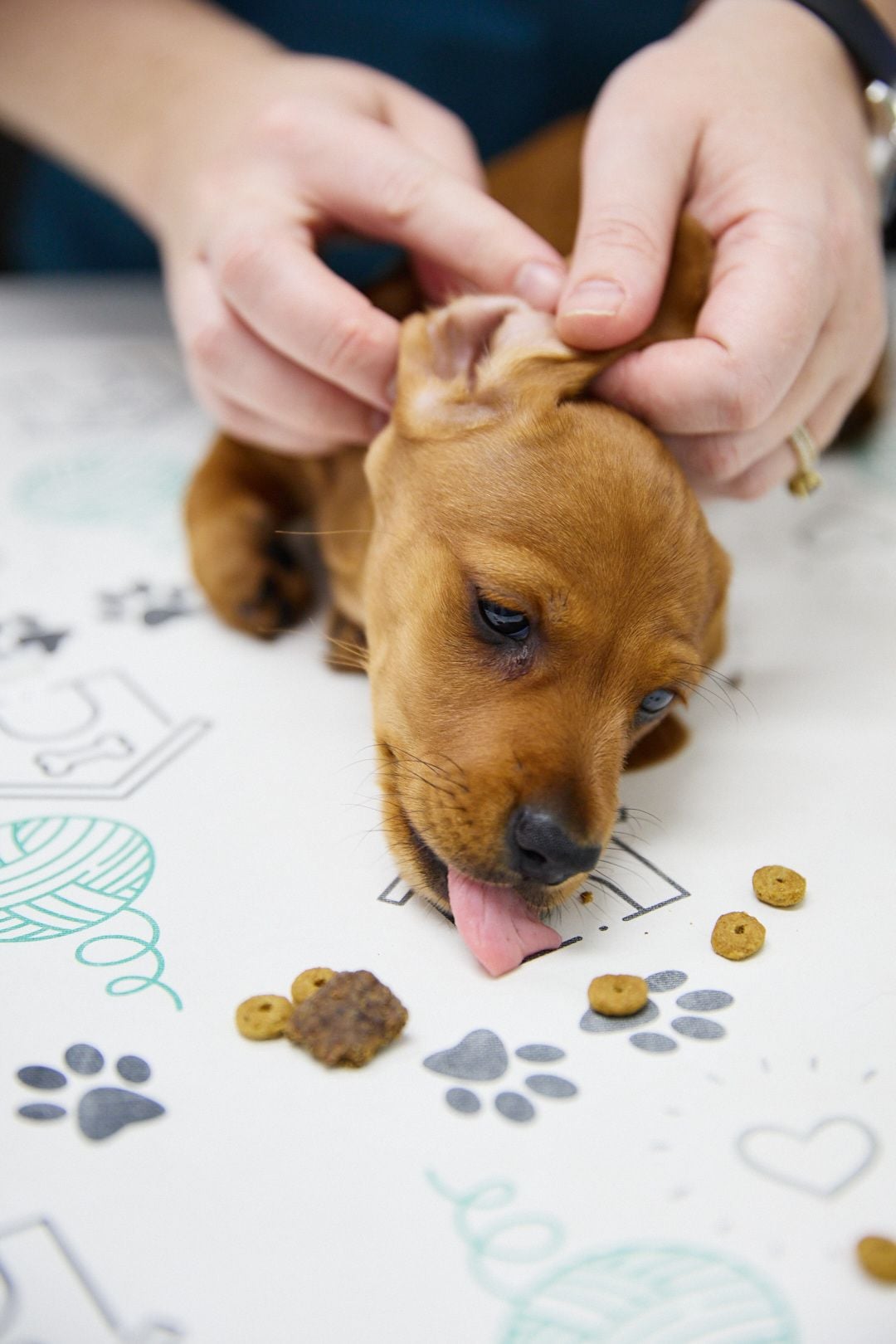
Dog vaccinations are an important part of protecting your pet from serious and potentially life-threatening diseases. At our hospital, we commonly vaccinate dogs against core viruses such as parvovirus, distemper, and hepatitis, as well as respiratory infections involved in kennel cough. We also routinely vaccinate against leptospirosis using a C7 vaccination.

Parvovirus is still something we see in our local area, and it can cause severe vomiting, diarrhoea, dehydration, and can be fatal, especially in puppies. Kennel cough is also very common in dogs that visit boarding facilities, grooming salons, dog parks, daycare, training, or other places where dogs mix.

Puppy vaccination schedule

A typical puppy vaccination course includes vaccinations at:

  • 6 to 8 weeks
  • 10 to 12 weeks
  • 14 to 16 weeks

If your puppy received their first vaccination before 8 weeks of age, they may require a fourth vaccination to ensure they are properly protected, as the final vaccination should be given at 16 weeks of age or older in line with current guidelines.

After their puppy course, ongoing booster vaccinations will depend on your dog’s age, vaccine history, lifestyle, and risk factors.

Dogs that board, socialise, or attend grooming

If your dog goes to boarding, daycare, grooming, training, dog parks, or regularly mixes with other dogs, they may be at increased risk of exposure to infectious respiratory diseases such as kennel cough.

Some boarding facilities and other services may require proof of current vaccination before your dog can attend. If you are unsure what your dog needs based on their lifestyle, our team can help guide you.

Cat Vaccinations — Pendle Hill & Western Sydney

Cat vaccinations help protect against several serious infectious diseases, including those that can spread easily between cats. At our hospital, we commonly vaccinate cats with core vaccines and may recommend additional protection depending on your cat’s lifestyle and risk.

F3 vaccine includes:

  • Feline herpesvirus
  • Feline calicivirus
  • Feline panleukopenia

Additional vaccines may include:

  • Feline leukaemia virus (FeLV)
  • Chlamydia felis
  • Bordetella bronchiseptica

Kitten vaccination schedule

A typical kitten vaccination course includes:

  • 6 to 8 weeks
  • 10 to 12 weeks
  • 14 to 16 weeks

If your kitten received their first vaccination before 8 weeks of age, they may require an additional vaccination to ensure the final vaccine is given at 16 weeks of age or older for the best chance of protection as per the WSAVA Guidelines.

When should my pet be vaccinated

Puppies and kittens need a full initial vaccination course, while adult pets require ongoing boosters to maintain protection. If you are unsure whether your pet is due, our team can check their history and provide guidance.

Book your pet’s vaccination

Vaccinations are an important part of keeping your pet healthy and protected throughout life. 

Rabbit Vaccinations — Pendle Hill & Western Sydney

Rabbit vaccinations

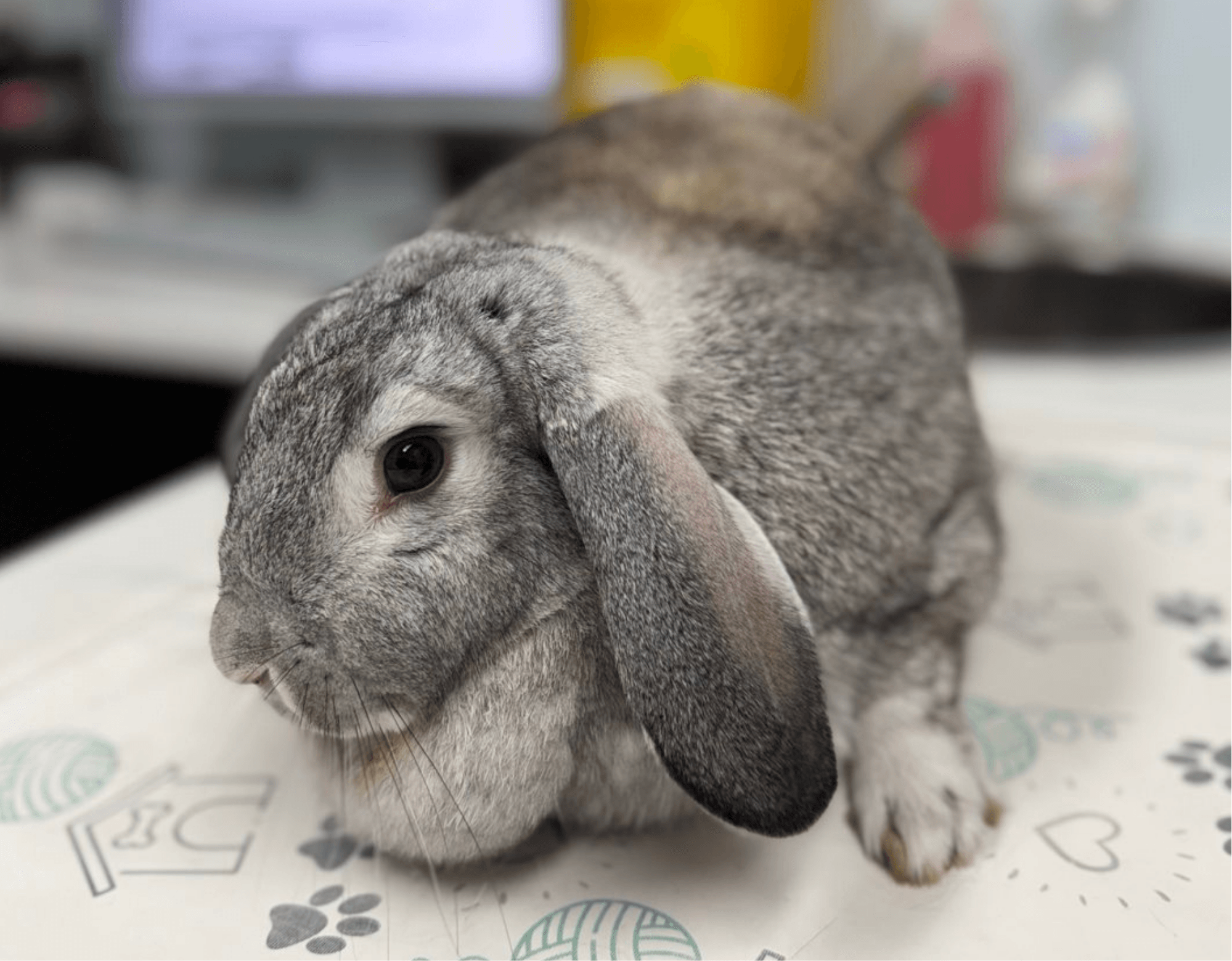
Rabbit vaccinations are an important part of protecting pet rabbits against calicivirus, also known as rabbit haemorrhagic disease virus (RHDV). This disease is highly contagious and often fatal.

Even indoor rabbits can be at risk, as the virus can be spread indirectly through insects, contaminated materials, or on clothing and shoes. Vaccination is recommended for all pet rabbits.

Rabbits can be vaccinated from 10-12 weeks of age, with yearly boosters recommended.


Visit Us at
Visit Us at

Opening Hours Mon-Fri: 8 am-7 pm
Sat: 8 am-2 pm
Sun & Public Hols: 8 am-12 pm

Follow Us