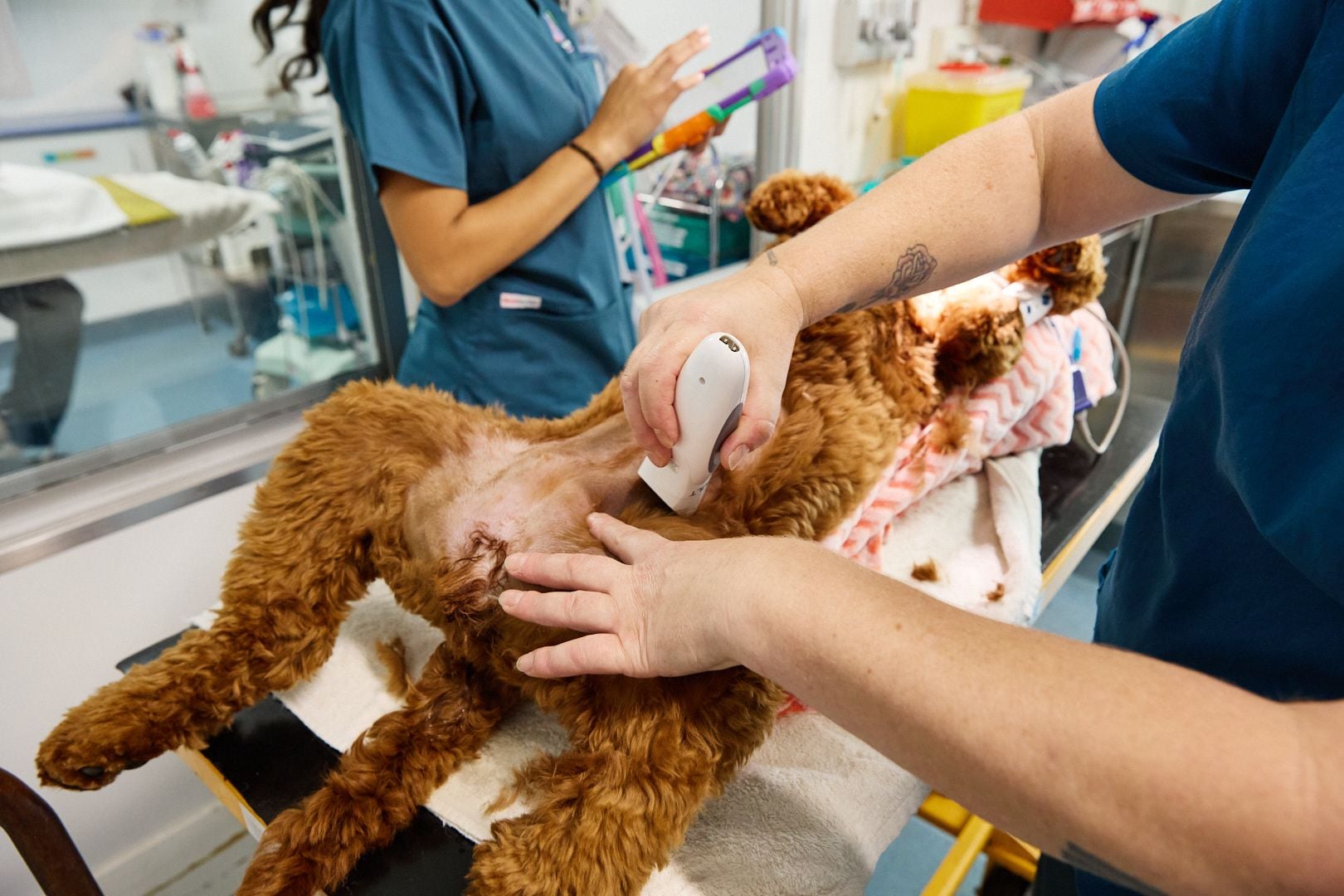
The Benefits of Desexing
Desexing offers real, lasting benefits for most pets:
- No unwanted pregnancies or litters to find homes for
- No more messy heat cycles for female pets
- Less roaming, which means less risk of your pet getting lost, hit by a car, or in a fight
- Calmer behaviour at home, with less marking, mounting, and seasonal restlessness
- Lower risk of serious health problems later in life, including uterine infections (pyometra), prostate disease, and certain cancers such as mammary tumors in females.
When Should I Desex or Neuter My Pet?
Timing depends on your pet's species, breed, and size. As a general guide:
- Cats: around 6 months
- Small breed dogs (under 10 kg): 6 to 12 months
- Medium breed dogs (10 to 25 kg): 12 to 18 months
- Large and giant breed dogs (25 kg+): 18 months or older
- Rabbits: 4 to 6 months
If your pet is older than these windows, it is never too late! Many dogs are safely desexed at 2 years or older, and some benefit from waiting. Your vet will advise on the best timing for your individual pet.
For breed-specific advice, see our blog post on desexing guidelines, or ask your vet at your pet's Juvenile Health Check.
&geometry(180x112) "Great Western Animal Hospital")