&geometry(180x112) "Great Western Animal Hospital")
Leptospirosis in Dogs: Symptoms, Risk & Vaccination (Sydney Vet Guide)
 "Leptospirosis in Dogs: Symptoms, Risk & Vaccination (Sydney Vet Guide)")
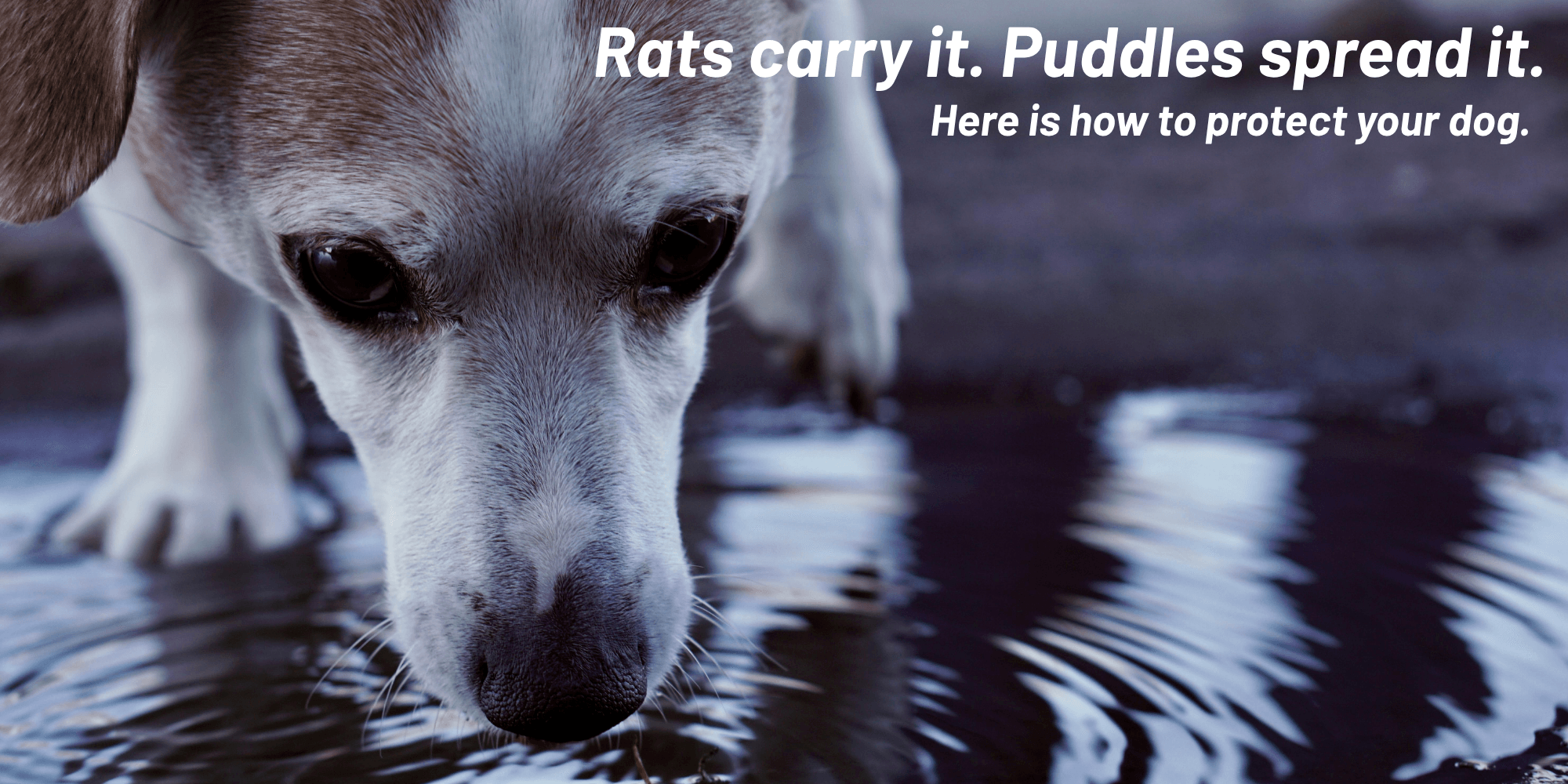
Your dog does not need to leave your suburb to be at risk. Leptospirosis can be in the puddle at the end of your street.
Leptospirosis is a bacterial disease that has been on the rise across Sydney and New South Wales in recent years. It is more serious than many pet owners realise, but it is also very preventable. Here is what local dog owners need to know.
What is leptospirosis?
Leptospirosis is a bacterial infection that primarily affects the kidneys and liver. In severe cases it can lead to organ failure. It is also one of the few pet diseases that can spread to humans, so it is taken seriously by both vets and public health authorities.
How does it spread?
The bacteria are carried mainly by rats and other rodents, and shed in their urine. Dogs can become infected by coming into contact with contaminated water, soil, or mud.
The bacteria can survive in stagnant water for up to two months, which means exposure can happen in very ordinary places.
Common sources of infection include:
- Puddles and flooded areas, especially after rain
- Creeks, ponds, and other still waterways
- Soil or grass in areas with rat activity
- Drinking from outdoor water sources
Both urban and rural dogs are at risk. Rats are common across Greater Sydney, which means this is not just a concern for dogs in the bush.
Is leptospirosis a risk in our area?
Yes. Cases have been confirmed across Greater Sydney including the Eastern Suburbs, Inner West, Northern Beaches, and Central Coast, as well as Newcastle and the South Coast of New South Wales. The Australian Veterinary Association and the University of Sydney both recommend vaccination for dogs living in or visiting these areas, or for any dog that has contact with rodents or outdoor waterways.
What are the symptoms?
Symptoms can start off quite vague, which can make leptospirosis easy to miss in the early stages.
Early signs:
- Lethargy and loss of appetite
- Fever
- Vomiting and diarrhoea
- Muscle pain or stiffness
Signs of more serious illness:
- Yellow gums or eyes (jaundice)
- Changes in how much your dog is drinking or urinating
- Weakness and collapse
If your dog has been near water or soil and starts showing any of these signs, please contact us promptly. The earlier treatment starts, the better the outcome.
Can it be treated?
Yes, when caught early. Treatment involves a course of antibiotics alongside supportive care such as fluids and monitoring of kidney and liver function. Dogs that are more severely affected may need to stay in hospital for a few days.
Because leptospirosis can spread to humans, there are some special hygiene precautions we take when treating affected dogs to keep owners and our team safe.
How do you prevent it? Vaccination
Vaccination is the most effective way to protect your dog. At Great Western Animal Hospital we recommend the C7 vaccine for every dog. Given our location in Western Sydney, it gives the most complete protection available and includes leptospirosis coverage as standard.
Vaccination schedule:
- Initial course: two doses given 2 to 4 weeks apart
- Annual booster to keep protection going
This can be given at the same time as your dog's regular annual health check and other vaccines. Our vets will talk through your dog's individual lifestyle and let you know whether this vaccine is recommended for them.
How much does vaccination cost?
Give our team a call and we will be happy to walk you through what is involved.
Simple steps to reduce your dog's risk
- Keep your dog on a lead near creeks and puddles, especially after rain
- Discourage drinking from outdoor water sources
- Use pet-safe rodent control around your home
Common questions
"My dog only goes to the local park. Are they really at risk?"
Potentially yes, particularly if there are rats in the area or if your dog drinks from puddles. It is worth a quick conversation with our team about your dog's specific lifestyle.
"Can I catch leptospirosis from my dog?"
Yes, it is possible, though not common with basic hygiene in place. Wash your hands after handling an unwell dog and avoid contact with their urine until they have been assessed.
Book at Great Western Animal Hospital
If you would like to know more about leptospirosis vaccination or your dog is due for their annual health check, our team is here to help. We are open 7 days a week.
Sources:
Australian Veterinary Association, Disease Alert: Leptospirosis in New South Wales
Australian Veterinary Association, Leptospirosis Update 2024 (University of Sydney Veterinary Teaching Hospital)
RSPCA Knowledgebase, What is Leptospirosis? (references 2024 World Small Animal Veterinary Association Vaccination Guidelines)
| Tags:Pet SafetyProactive Pet CareDogHealth AdviceClient InformationVaccination |
Check Out Our
Recent Articles
- Tinsel Went Blind. His Blood Pressure Was 280.
- Senior Pet Health Checks: What Tests Are Reccomended and Why?
- 5 Signs Your Pet's Upset Stomach Needs a Vet Check
- Feline Leukaemia Virus in Cats: Symptoms, Testing and Prevention (Sydney...
- Cat Flu in Cats: Symptoms, Treatment and Prevention (Sydney Vet Guide)