&geometry(180x112) "Great Western Animal Hospital")
Kennel Cough in Dogs: Symptoms, Treatment & Prevention (Sydney Vet Guide)
 "Kennel Cough in Dogs: Symptoms, Treatment & Prevention (Sydney Vet Guide)")
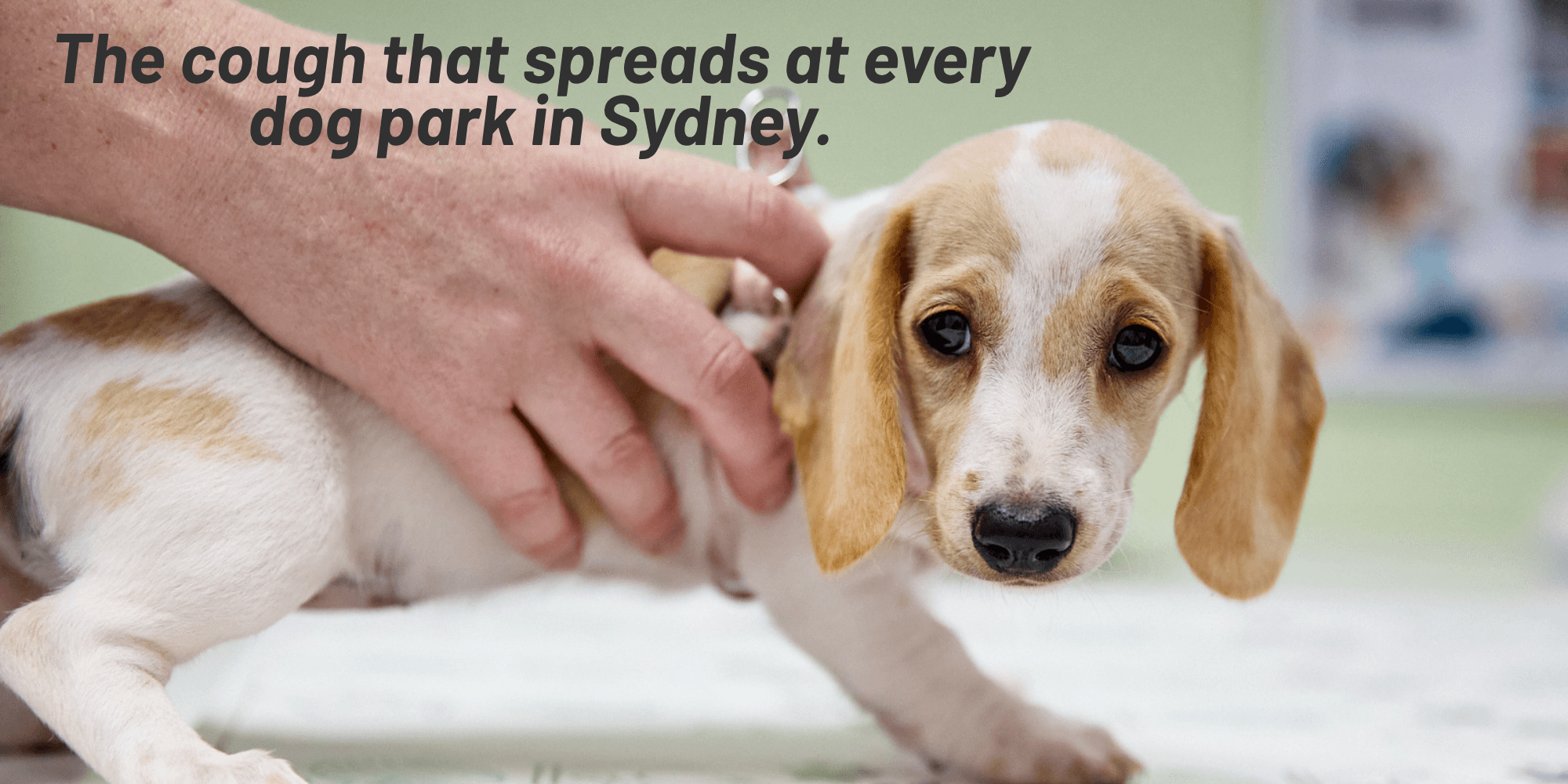
It sounds like they've swallowed a goose. That honking cough keeping you up at night? Here is what it means and what to do about it.
Kennel cough is one of the most common illnesses we see in dogs. The good news is that most healthy dogs recover well with a bit of rest and time. But it is worth knowing what to look out for, how it spreads, and how to prevent it.
What is kennel cough?
Kennel cough is a contagious respiratory infection that causes inflammation of the upper airways. It is usually caused by a combination of bacteria and viruses working together, with the most common being a bacterium called Bordetella bronchiseptica along with a virus called Canine Parainfluenza.
Think of it a bit like the common cold in humans. Most dogs get through it without any serious problems, though some dogs do need treatment to help them along.
How does it spread?
Kennel cough spreads very easily wherever dogs spend time together. It travels through the air when an infected dog coughs or sneezes, and it can also spread through shared water bowls, toys, and leads.
Common places dogs pick it up include:
- Dog parks and off-leash areas
- Boarding kennels
- Doggy daycare
- Grooming salons
- Puppy classes
Dogs can spread it to other dogs before they even start showing symptoms themselves, which is why it moves through dog communities so quickly.
What are the symptoms?
The most obvious sign is a persistent dry, honking cough. Many owners describe it as sounding like a goose, or like their dog has something stuck in their throat. Some dogs also retch or bring up a small amount of white froth after a coughing fit, which can look alarming but is very common with kennel cough.
Most dogs with kennel cough still eat well, stay active, and seem fairly normal apart from the cough.
In some dogs, particularly puppies, older dogs, or dogs with existing health conditions, symptoms can become more severe. Signs to watch out for include:
- Fever
- Loss of appetite
- Lethargy
- Difficulty breathing
If your dog falls into one of those groups or you are worried about how they are doing, it is always worth giving us a call.
How is it treated?
Many cases of kennel cough will clear up on their own within 1 to 3 weeks with rest at home. During this time it is important to keep your dog away from other dogs to avoid spreading it further.
Depending on your dog and how they are going, we may recommend:
- Antibiotics to clear the bacterial component
- Medication to ease the cough and keep them comfortable
- A check-up to rule out anything more serious like pneumonia
If your dog is coughing and you are not sure whether they need to be seen, just give us a call and we can help you figure out next steps.
How do you prevent it?
At Great Western Animal Hospital we recommend the C7 vaccine for every dog. Given our location in Western Sydney, it gives the most complete protection available. It covers kennel cough, parvovirus, distemper, hepatitis, and leptospirosis.
Most boarding kennels and doggy daycares in Sydney require an up-to-date C5 before your dog can stay, so it is worth checking ahead of time.
Puppy vaccination schedule:
- First vaccine: 6 to 8 weeks
- Second vaccine: 10 to 12 weeks
- Third vaccine: 16 weeks or older
- Annual booster to keep protection going
How much does vaccination cost?
Give our team a call and we will walk you through the options for your dog.
Common questions
"My dog only goes to the local park. Can they still get kennel cough?"
Yes. Off-leash parks are actually one of the most common places dogs pick it up, because so many dogs are sharing the same space.
"My dog had it before. Are they immune now?"
Not reliably. Immunity after natural infection does not last long, so vaccination is still the most consistent way to keep them protected.
"The vaccine does not cover all causes of kennel cough, so why bother?"
The vaccine covers the most common and significant causes. Vaccinated dogs that do catch kennel cough tend to have much milder symptoms and recover more quickly.
Book at Great Western Animal Hospital
If your dog is coughing or you want to check whether their vaccinations are up to date, we are here to help. We are open 7 days a week.
Sources:
Merck Veterinary Manual, Kennel Cough, 2024
American Veterinary Medical Association, Canine Infectious Respiratory Disease Complex
VIN Veterinary Partner, Kennel Cough in Dogs
Check Out Our
Recent Articles
- Tinsel Went Blind. His Blood Pressure Was 280.
- Senior Pet Health Checks: What Tests Are Reccomended and Why?
- 5 Signs Your Pet's Upset Stomach Needs a Vet Check
- Feline Leukaemia Virus in Cats: Symptoms, Testing and Prevention (Sydney...
- Cat Flu in Cats: Symptoms, Treatment and Prevention (Sydney Vet Guide)