&geometry(180x112) "Great Western Animal Hospital")
What is Canine Parvovirus?
 "What is Canine Parvovirus?")
When it comes to protecting your dog’s health, few diseases are as frightening or as preventable as parvovirus. Known simply as parvo, this aggressive and highly contagious virus can affect dogs of all ages, but puppies and unvaccinated dogs are at the greatest risk.
At Great Western Animal Hospital, we believe in equipping pet parents with knowledge, because when you know what to watch for, you can act quickly and potentially save a life.
What Is Parvovirus?
Parvovirus is a serious viral disease that targets rapidly dividing cells in a dog’s body, especially in the intestines and bone marrow. In very young puppies, it can also attack the heart. This combination means the virus not only damages the digestive tract but also severely weakens the immune system, leaving the dog vulnerable to other infections.
The scary part? Parvo is both fast-acting and potentially fatal without immediate veterinary care. But here’s the good news — with timely treatment and, even better, vaccination, it’s also preventable.
How Is Parvo Spread?
Parvovirus is shed in the faeces of infected dogs and spreads primarily via the faecal to oral route. But it’s not just about direct contact with another dog. The virus is tough, really tough. It can survive on surfaces like soil, concrete, dog bowls, bedding, shoes, and even hands for months, sometimes longer.
That means a curious sniff during a walk or an outing to the dog park could be enough for an unvaccinated dog to become infected. This is why prevention, especially through vaccination, is crucial.
Symptoms: What to Watch For
Parvo symptoms typically appear between 3 to 7 days after infection, and they often come on suddenly and aggressively. Early signs include:
- Lethargy and loss of energy
- Reduced appetite
- Fever
- Vomiting
- Severe, often bloody diarrhoea
- Dehydration
- Abdominal pain
- Collapse in severe cases
These symptoms aren’t just unpleasant, they’re dangerous. Parvo strips away the intestinal lining, preventing nutrient absorption and allowing bacteria to leak into the bloodstream, leading to sepsis. Without prompt treatment, the virus can overwhelm a dog’s system quickly.
If your dog is displaying any of these signs, especially if they’re young or unvaccinated, please contact us immediately.
How We Diagnose and Treat Parvo
Parvo is typically diagnosed with a rapid faecal test performed in-clinic. However, early in the infection, a test might return a false negative, so we always consider the full clinical picture.
There’s no “cure” for parvo, but supportive veterinary care can make all the difference. Hospitalisation is often needed and may involve:
- IV fluids to combat dehydration
- Medication to control vomiting
- Pain relief
- Nutritional support, sometimes via feeding tubes
- Antibiotics to treat or prevent secondary infections
- Intensive monitoring
With quick and comprehensive care, survival rates can be high, but timing is everything.
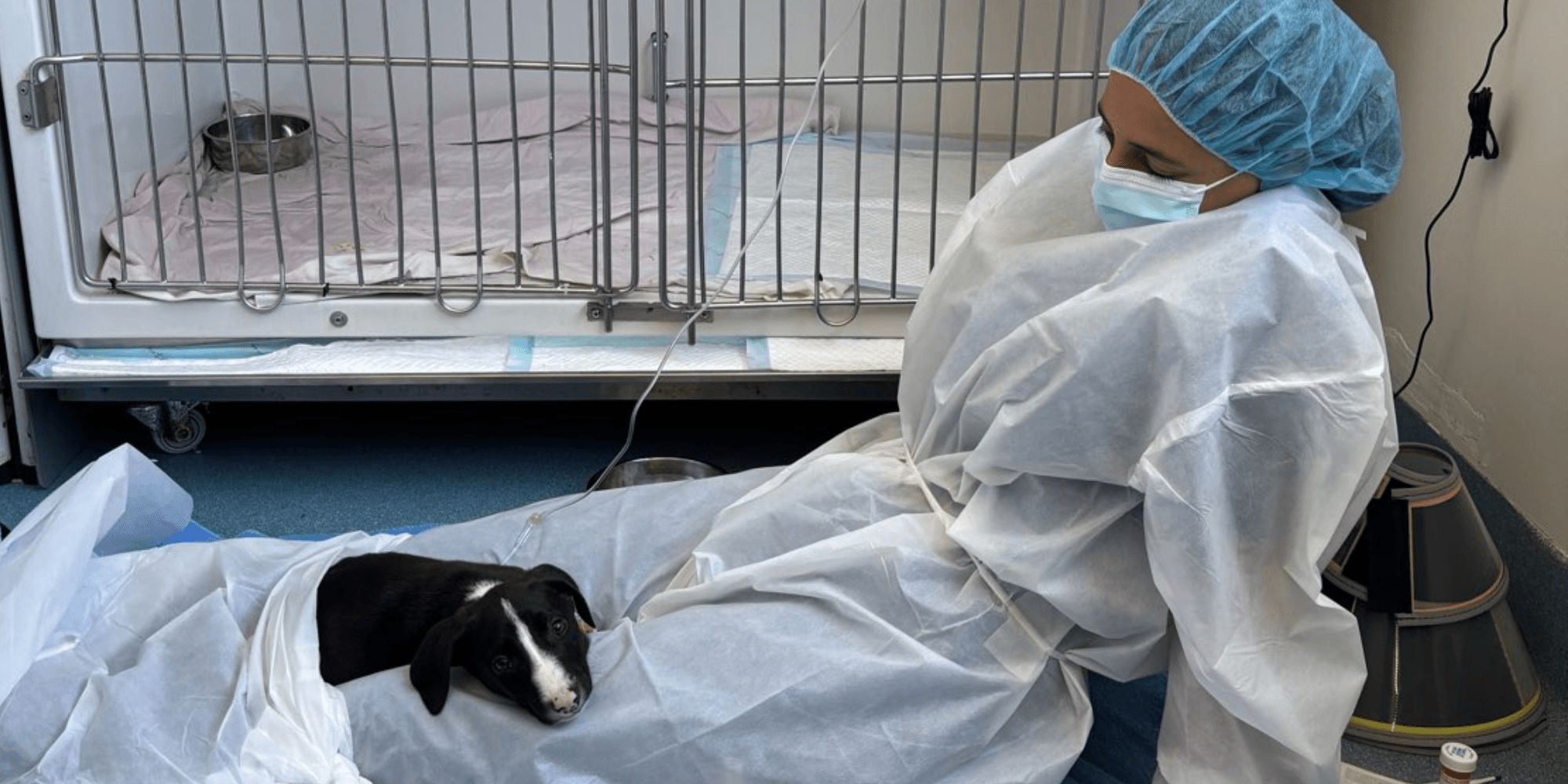
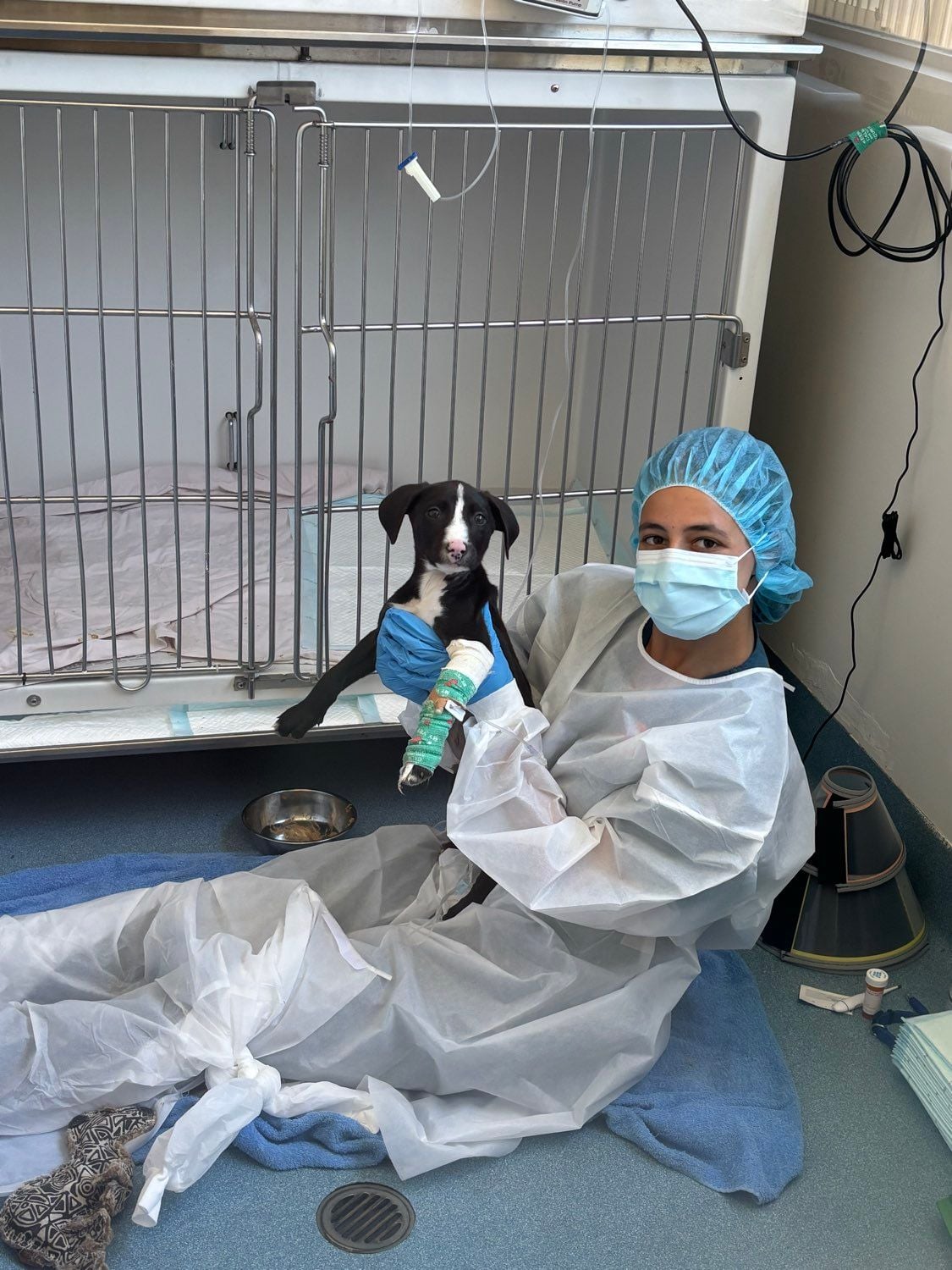
Below you can see Nurse Jasmin with Ziggy a puppy that we were treating in hospital with parvovirus.
Prevention Is Better (and Cheaper) Than Cure
The simplest and most effective way to protect your dog from parvovirus is vaccination.
Puppies should receive a series of vaccinations starting at 6 to 8 weeks of age, with boosters every few weeks until they’re at least 16 weeks old. A follow-up booster is needed at 12 months, and then regularly, often every 1 to 3 years, depending on your dog’s needs and lifestyle.
Until a puppy is fully vaccinated, we recommend avoiding high-risk environments like dog parks, pet stores, or group training classes where unvaccinated dogs may have been.
For extra peace of mind:
Wash hands and shoes after visiting places with unknown dogs
Clean bowls, toys, and bedding regularly
Don’t allow puppies to sniff or lick other dogs’ faeces (yes, easier said than done)
What to Do If You Suspect Parvo
If your dog shows any symptoms of parvo, especially vomiting, bloody diarrhoea, or sudden lethargy, don’t wait.
Call us immediately on [insert phone number] and let us know you’re concerned about parvo. We'll advise you on the next steps and how to safely bring your pet in without risking others. Isolate your dog from other pets, and try to limit contact with surfaces until they’ve been assessed.
Early intervention could be the difference between life and death.
A Final Word from Our Team
Parvovirus is a terrible disease, but it’s one we can fight together. With awareness, good hygiene, and a reliable vaccination schedule, we can keep our dogs safe and healthy.
At Great Western Animal Hospital, we’re here to guide you every step of the way. If you’re unsure whether your puppy or adult dog is fully protected, now is the perfect time to check in.
Book Your Dog’s Vaccination Today
Protect your pup with a quick, simple vaccination that could save their life. Click here to book a vaccination appointment with our friendly team, or call us on 02 9631 9322. We’re always happy to help.
| Tags:Pet SafetyProactive Pet CareDogHealth Advice |
Check Out Our
Recent Articles
- Tinsel Went Blind. His Blood Pressure Was 280.
- Senior Pet Health Checks: What Tests Are Reccomended and Why?
- 5 Signs Your Pet's Upset Stomach Needs a Vet Check
- Feline Leukaemia Virus in Cats: Symptoms, Testing and Prevention (Sydney...
- Cat Flu in Cats: Symptoms, Treatment and Prevention (Sydney Vet Guide)