&geometry(180x112) "Great Western Animal Hospital")
Heatstroke Happens Faster Than You Think: A 30-Minute Timeline for Dogs and Cats
 "Heatstroke Happens Faster Than You Think: A 30-Minute Timeline for Dogs and Cats")
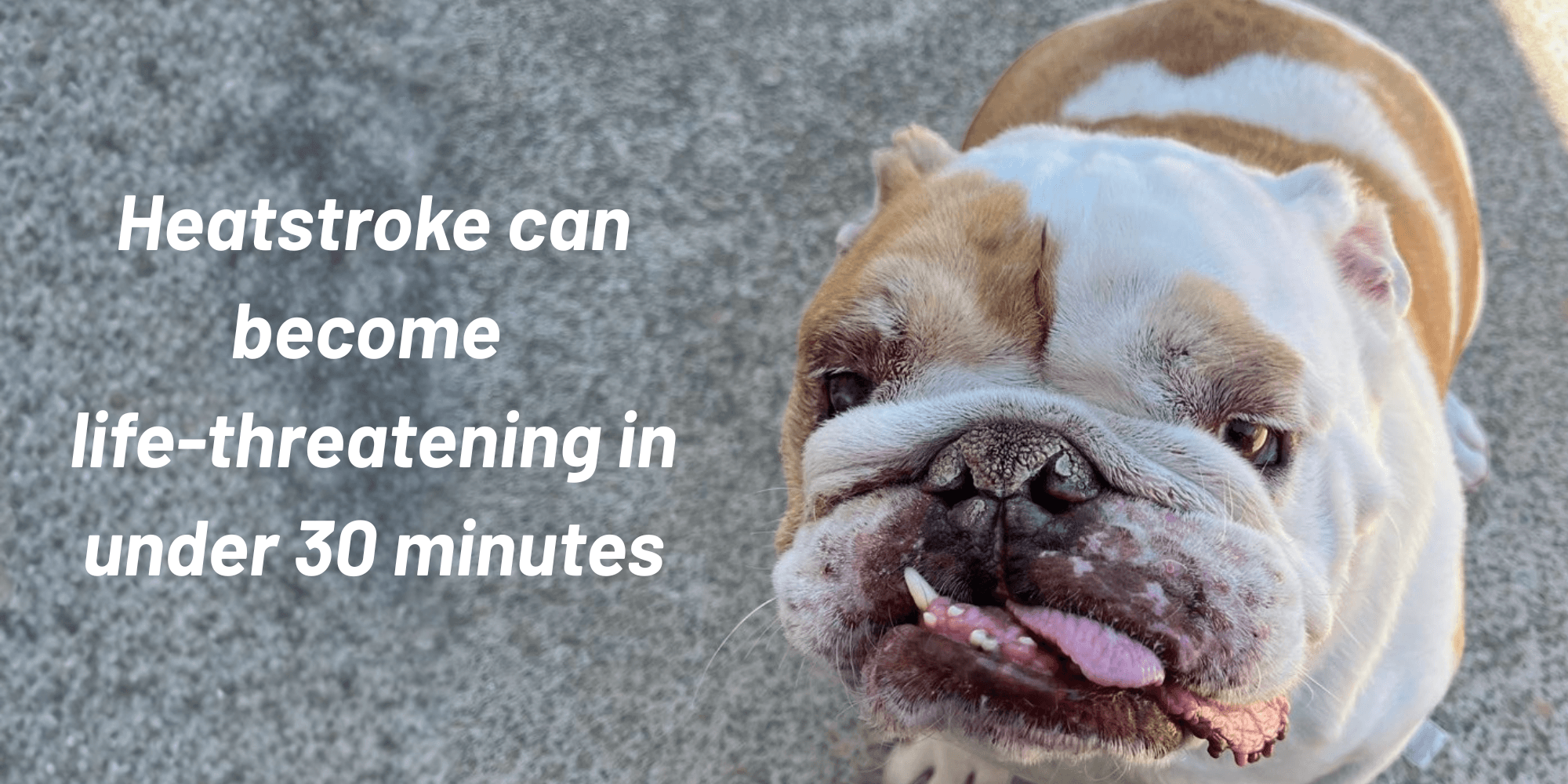
Heatstroke is one of the most dangerous and underestimated emergencies we see in dogs and cats. Many pet owners assume it takes hours of extreme heat for a pet to become seriously unwell. In reality, heatstroke can develop in under 30 minutes, often before owners realise anything is wrong. Understanding how quickly this condition progresses can make the difference between life and death.
Why heatstroke escalates so quickly in pets
Dogs and cats cannot cool themselves the way humans do. Dogs rely mainly on panting, while cats often hide signs of distress until they are very unwell. On hot or humid days, panting alone may not be enough to regulate body temperature. Factors such as breed, age, weight, underlying illness, and lack of airflow all increase the risk of heatstroke in pets.
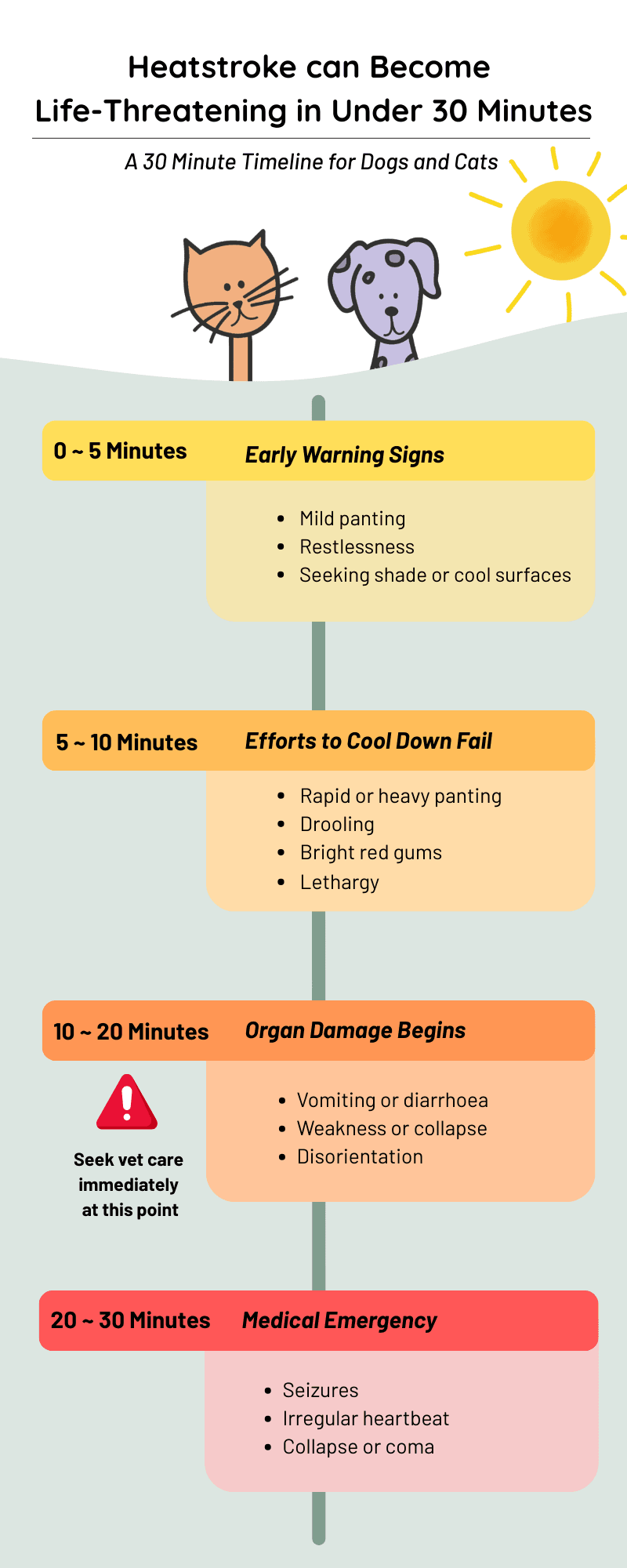
Minute 0-5: Early warning signs
Subtle changes are easy to miss. Mild panting, restlessness, seeking cool surfaces, or slowing down may be the first signs. Body temperature is already rising, and early action at this stage can prevent serious harm.
Minute 5-10: Cooling starts to fail
Panting becomes rapid or heavy, with drooling, red gums, and lethargy. The pet is struggling to regulate their temperature, even with rest or water.
Minute 10-20: Organ damage begins
Vomiting, weakness, disorientation, or collapse may occur. High body temperature starts damaging vital organs such as the brain, kidneys, and gut.
Minute 20-30: Medical emergency
Seizures, irregular heart rhythms, collapse, or coma can develop. Survival drops rapidly, and urgent veterinary treatment is critical.
What to do if you suspect heatstroke
If you think your dog or cat is overheating, act immediately. Move them to a cool, shaded area, offer small amounts of water, and begin gentle cooling with cool, not icy, water. Avoid ice baths or covering them with wet towels. Contact your vet or an emergency clinic straight away, even if symptoms seem mild.
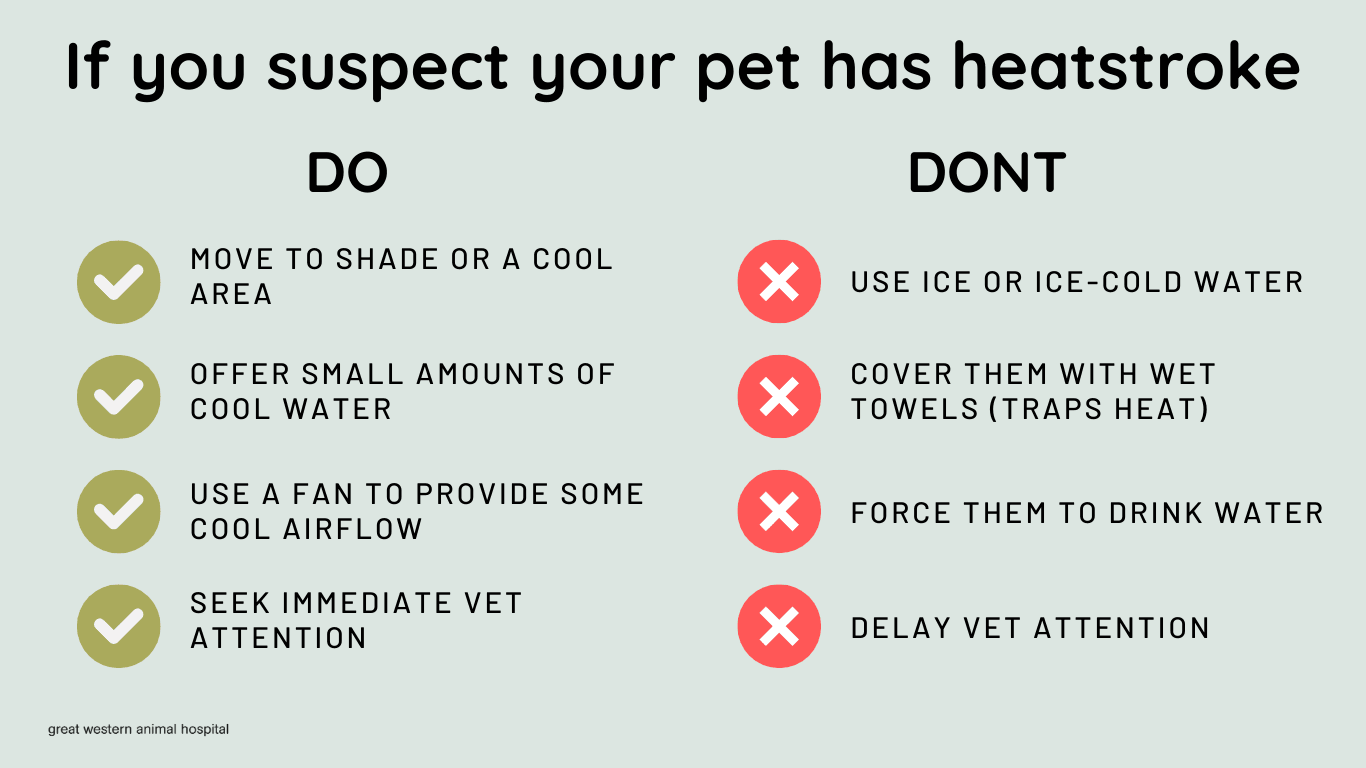
Heatstroke progresses far faster than most people expect. If you are watching the clock or wondering whether to wait, it is already urgent. Acting early can save your pet’s life.
Would you recognise the signs in the first five minutes? If you are ever unsure, trust your instincts and seek veterinary advice promptly. Share this post with fellow pet owners to warn them of the risks!
Check Out Our
Recent Articles
- Tinsel Went Blind. His Blood Pressure Was 280.
- Senior Pet Health Checks: What Tests Are Reccomended and Why?
- 5 Signs Your Pet's Upset Stomach Needs a Vet Check
- Feline Leukaemia Virus in Cats: Symptoms, Testing and Prevention (Sydney...
- Cat Flu in Cats: Symptoms, Treatment and Prevention (Sydney Vet Guide)